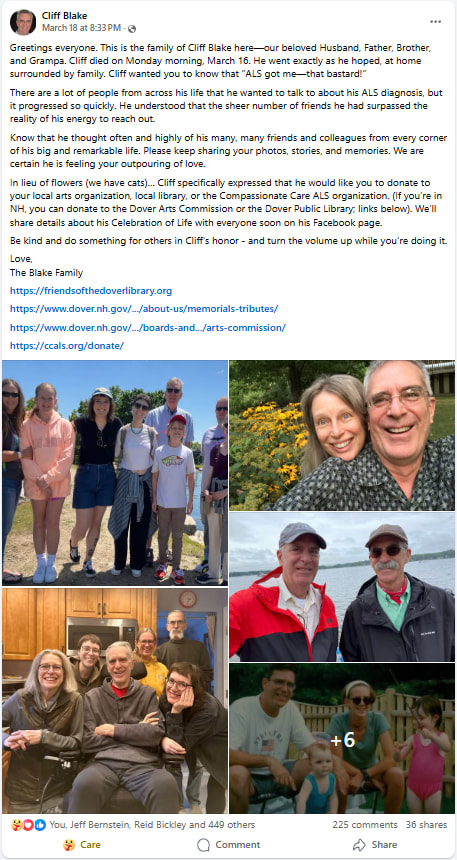
Last Monday, a friend of mine passed. He is the third person in my life claimed by ALS.
The first was Dr. Bob Torrey. I met him in his wheelchair as I was about to walk into his class, where he taught Dylan Thomas’ poem Do Not Go Gently Into That Goodnight. He died in that wheelchair, teaching right up to the last moment. Unable to speak, he’d sit at the front of the classroom, have another professor from the English department come in and lecture, and every time the visiting prof got something wrong, he’d flay his arms about as best he could. I delivered the most unhealthy Mr. Jim’s pizza options to him in the evening. Sitting in his living room chair, bare chest full of fluffy white hair, his much younger wife doted on him, and he’d regale me with how he turned his college days dorm room men’s shower room into a swimming pool.
The second was Mary Germanotta Duquette. A phenomenal writer whose work should have been published more widely. We visited her in hospice. She sent me new stories to critique that took her hours to type just one sentence of. By the end, she was unable to even turn a page. And we spent her last days reading books to her over Zoom.
I’ve been rewatching Ted Lasso. I’m in one of those awkward phases between TV shows—having watched everything I’ve wanted to watch while waiting for something new to come out that’s decent.
Plus, I heard rumors of a new season showing up, so we could call this a bit of prepper behavior, too.
The show, if you’re not familiar, is about an upbeat American football coach who gets hired to coach a struggling English soccer team, even though he knows nothing about soccer. Ted walks into a world of cynicism, ego, divorce, failure, and classic British side-eye, and all he’s got is a 1980s Magnum P.I.-styled mustache and homemade cookies –uhm, biscuits for those fans of the Great British Bake-Off. The show premiered August 14, 2020. This was about six months after we witnessed Joseph Maldonado-Passage’s viral feud with Carol Baskin in Netflix’s Tiger King, and we were like only six months into the Covid Pandemic, and had finally gotten past the leave the groceries outside and let the sun handle it season. About the same time, I started getting takeout again, standing in line while unmasked people yelled at me for wearing a mask, while masked people yelled at them for not wearing a mask. Every day felt like coming to blows one way or the other, and if you take time to work backwards through my archive of essays, which I began generating way after pandemic fears had subsided, you’ll see that echo of fear and uncertainty still play out through many of the interviews I’ve done with businesses and people.
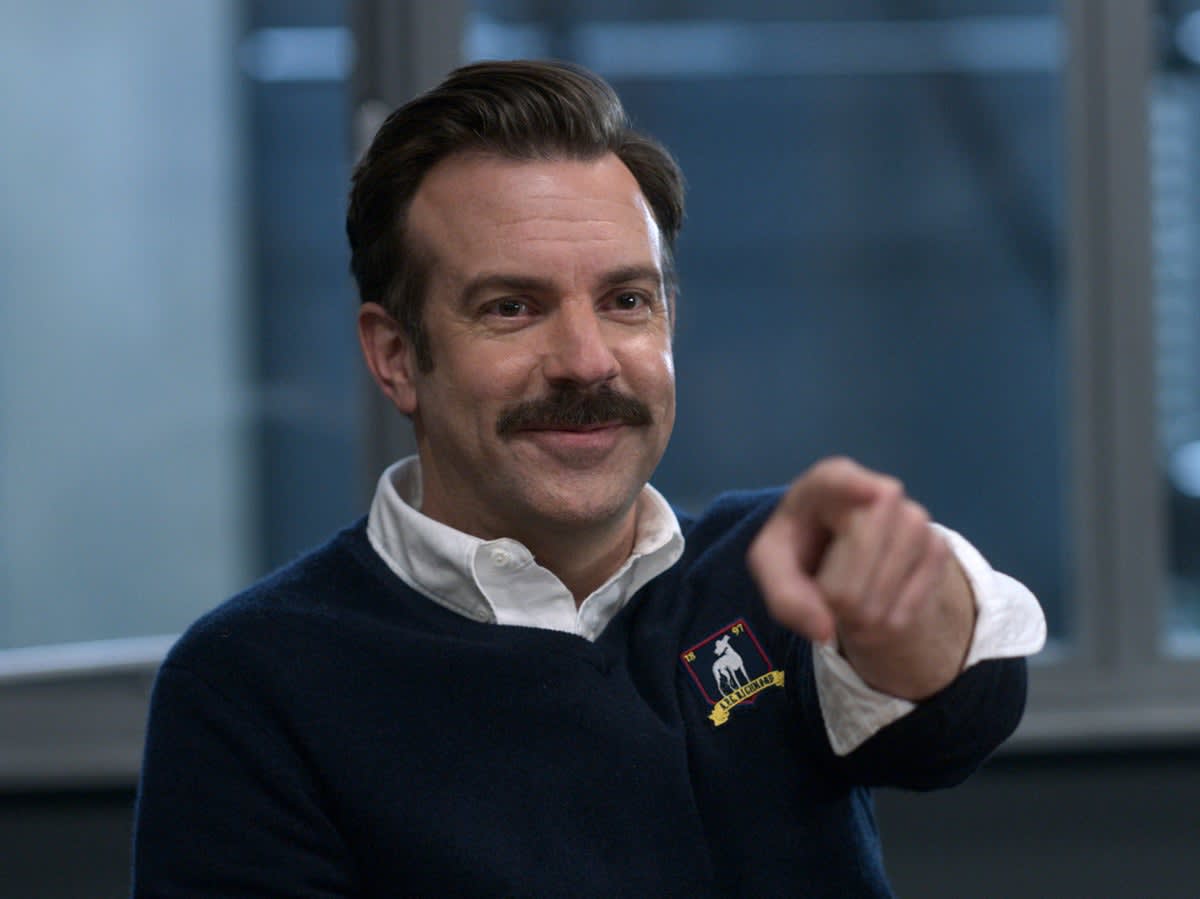
Ted Lasso was a very different vibe than either the Tiger King or the public pandemic confrontations. The show centered around the idea of optimism without naivety, surfacing grief underneath charm, leadership not built of fear, damaged people trying, badly and beautifully, to become, well, less damaged.
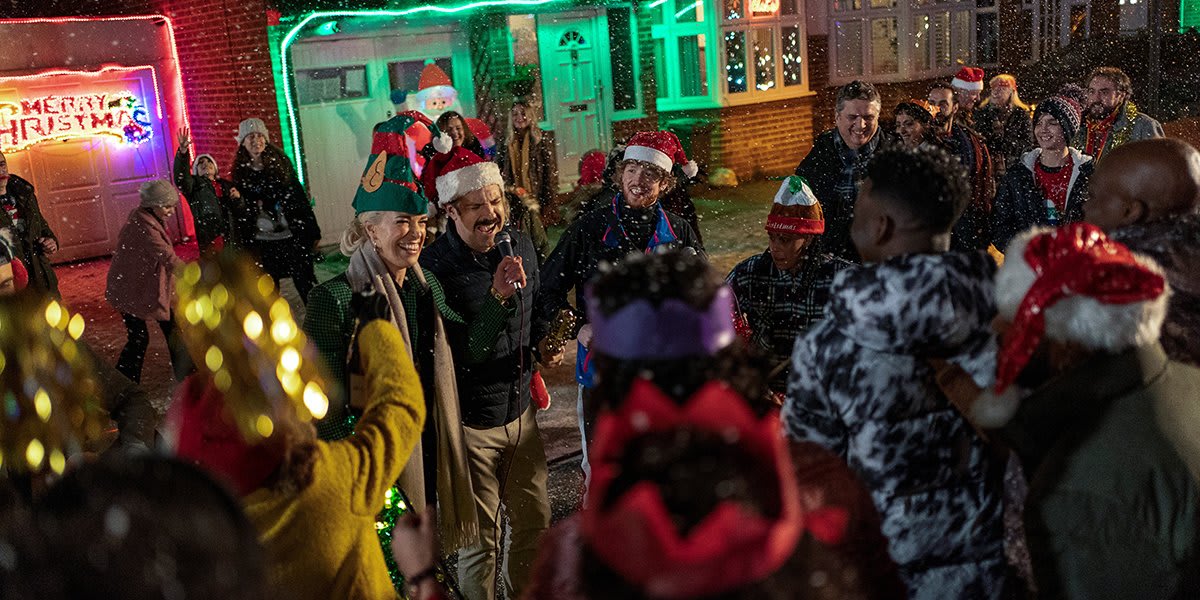
Season 2, episode 4, Carol of the Bells was the Christmas episode. It features a festive, standalone story where Rebecca (owner of the football team) cheers up Ted, Roy the big-time football player, and his girlfriend Keeley search the streets for a dentist, and Higgins football operations hosts international players for a holiday celebration. The whole thing ends on the street, with people singing Baby Please Come Home.
The Blueprint
Half blueprint, half confession. Irreverent. Caffeinated. Built to outlast hype.

☕A Coffee with Steve publication.

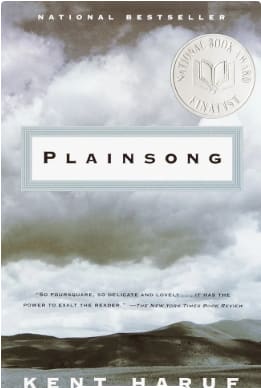
“A novel so foursquare, so delicate and lovely . . . it has the power to exalt the reader.” –The New York Times Book Review
“Resonant and meaningful . . . . A song of praise in honor of the lives it chronicles [and] a story about people’s ability to adapt and redeem themselves, to heal the wounds of isolation by moving, gropingly and imperfectly, toward community.” –Richard Tillinghast, The Washington Post Book World
In the small town of Holt, Colorado, a high school teacher is confronted with raising his two boys alone after their mother retreats first to the bedroom, then altogether. A teenage girl—her father long since disappeared, her mother unwilling to have her in the house—is pregnant, alone herself, with nowhere to go. And out in the country, two brothers, elderly bachelors, work the family homestead, the only world they’ve ever known. From these unsettled lives emerges a vision of life, and of the town and landscape that bind them together—their fates somehow overcoming the powerful circumstances of place and station, their confusion, curiosity, dignity and humor intact and resonant. As the milieu widens to embrace fully four generations, Kent Haruf displays an emotional and aesthetic authority to rival the past masters of a classic American tradition.
Order Plainsong at Bookshop.org
Bookshop.org works to connect readers with independent booksellers all over the world. Local bookstores are essential community hubs that foster culture, curiosity, and a love of reading, and Bookshop.org is committed to helping them thrive. Every purchase on the site financially supports independent bookstores


This is a television and movie trope I’ve seen a million million times, where the community spontaneously comes together in celebration or support or whatever. Think George Bailey in It’s a Wonderful Life, Ghostbusters, Spiderman 2: No Way Home. Friday Night Lights, Parks and Recreation, Gilmore Girls. I’ve always wanted to live in a town, within a community, where this spontaneous behavior happened.
I’ve lived a lot of places: Ohio, Nebraska, Wyoming, Indiana. There were always murmurs or vague hints, shadows of that real, lived-in support.
Saturday night, though, I’m watching Carol of the Bells and just absolutely bawling my eyeballs out. Earlier that day, Dover’s Development Specialist, Reid Bickley, picked me up and we drove down to Belamy Park. Set up a ladder against a window with Deb Clough and too much snow.
“Try it out Steve, see if it’s save.” The ladder wobbled a bit. Through the window cast dark by the sunlight, I see my own reflection, and through my reflection I barely see Cliff Blake—his bed brought down into the home’s living room. I wave. He grins and waves back.
Reid and Deb have me come down off the ladder, then go back up. I’m up and down maybe three four times. Every time I’m up, I wave, and Cliff waves back.
“I don’t think it matters what we do,” I said. “This ladder is going to wobble.”
I didn’t know Cliff for long. I met him through the Dover Arts Commission. The Commission was rolling out a new initiative: the Dover Literary Laureate, and they put out a call for applications. New Hampshire has Poet Laureates coming out of our ears—Portsmouth, Rochester, Derry, and Newbury. The Literary Laureate was a bit of a twist, as the goal was not just to promote writing but also to promote literacy. It is through this position that Cliff dragged me into civic life without me really realizing what was happening.
Cliff wasn’t isn’t some phenomenal person. He was funny, always quick with dry wit. He was a little ordinary on first glance. That ordinariness, that ubiquity, was his grace, a thread woven throughout the community, stitching people together.
March 15th, nearly 100 people had been mobilized by Deb Clough’s phone relay. I got the call that Friday, and Deb held urgency in her voice.
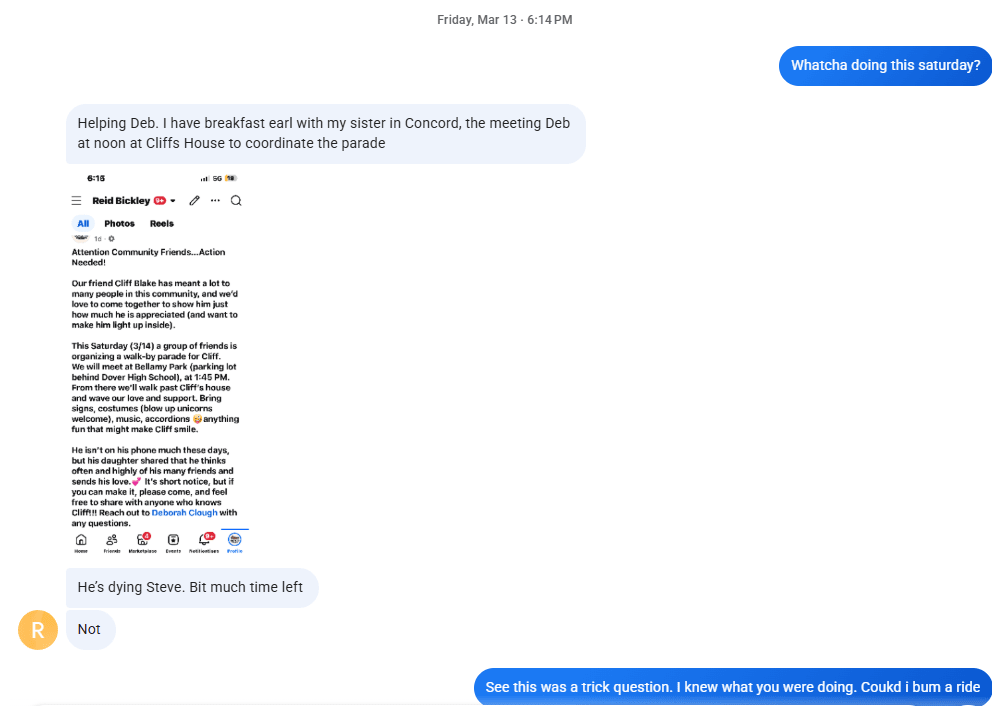
After we fiddled with the ladder, we gathered at Bellamy Park and walked to Cliff’s home with signs, costumes, laughter. Affection that cannot be fake-newsed. They came from every corner of his life, because Cliff had spent so much of his life in service to other people, to the arts, to broadcasting, to Dover itself.
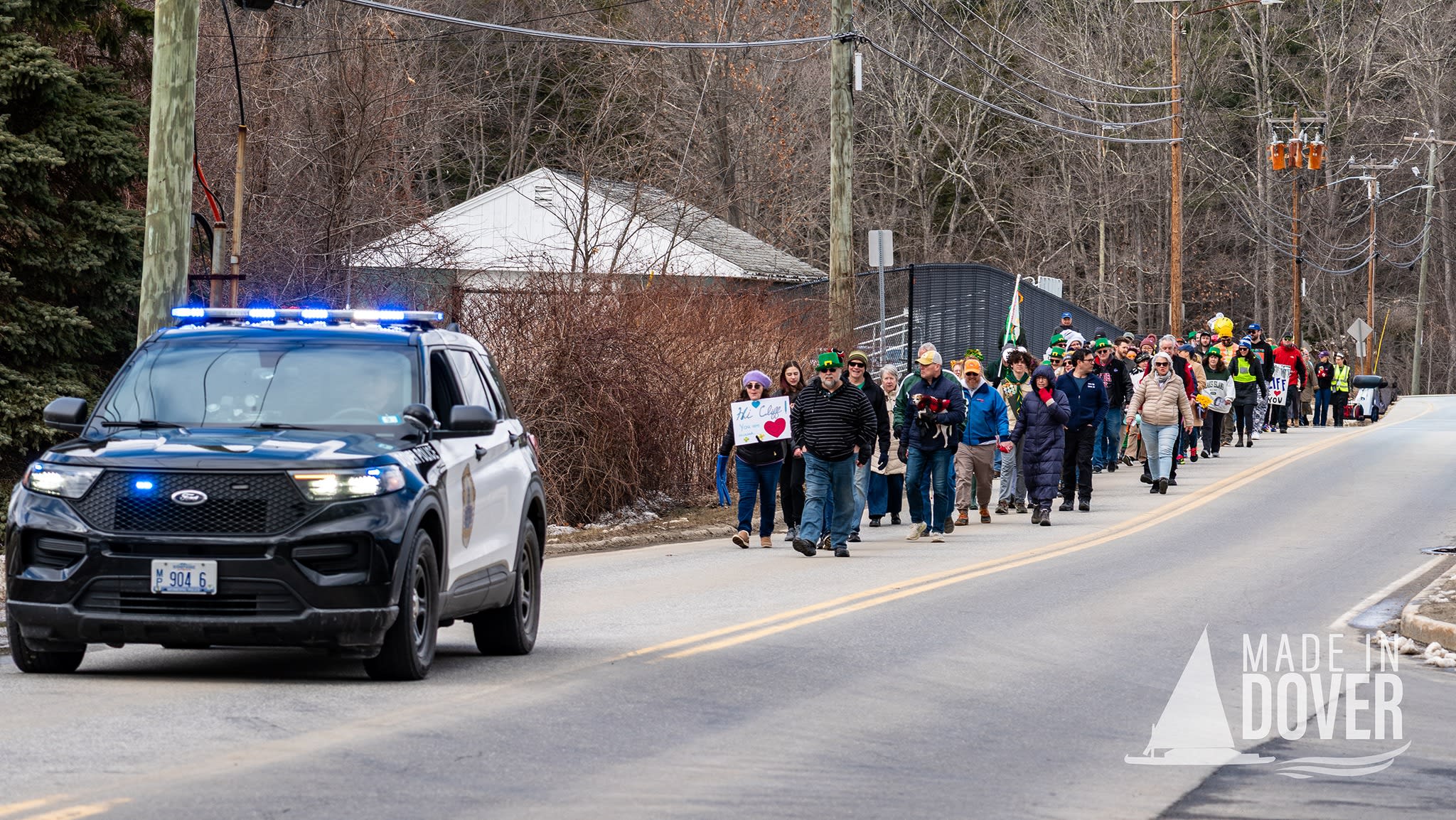
His family remembered standing at that same bay window as kids, waving goodbye when he left on business trips. This time, people lined the driveway and looked in that same window to wave hello, hold up signs, and send love back.
Cliff had built a life out of caring for people, and in the end, those people returned.
That’s the part television gets right. The street fills. The songs start. People show up in ridiculous hats and winter coats and hold handmade signs in numb hands. Somebody cries. Somebody laughs. Somebody waves from a window. For one suspended moment, life becomes visible by the shape of all the lives gathered around it.
I’ve seen ALS take people three times now. I’ve watched the disease strip away voice, movement, appetite. Hollow people out in unfathomable ways. I cuffed my hands around my eyes to shield against the glare on the glass. When I looked in through the sun-darkened glass, Cliff saluted me. And for one bright, fragile moment in Dover, New Hampshire, the thing I had spent half my life thinking was a TV trope turned out to be true.

“Good writing is always about things that are important to you, things that are scary to you, things that eat you up.” – John Edgar Wideman
🌐 Explore more at stevebargdill.com
Coffee With Steve is free. If you enjoyed this post, you can tell Coffee With Steve that their writing is valuable by spreading the word and sharing with a friend.
☕In Real Estate 101
Why Your Realtor Might Be In Over Their Head
The first in a full 10-part series that pulls back the curtain on an industry most people never get to see clearly. Beginning with the low barrier to entry that brings so many agents into real estate, the pieces walk readers through how those agents are actually educated, supervised, and licensed to represent the largest financial decisions of someone’s life. From there, the arc traces the full anatomy of a transaction—what a Realtor truly does, how agency law works in the real world, and why so much of the job has less to do with houses and more to do with marketing and navigating human behavior. The series also explains how agents are paid, how production numbers get misused, and how to read a Realtor’s online presence with a critical eye. The final installment gives consumers a practical set of interview questions so they can choose representation based on skill, clarity, and trust rather than chance or convenience.

About this publication.
Coffee with Steve is an independent publication by Steve Bargdill. Views are my own and do not represent Keller Williams Coastal & Lakes & Mountains Realty (“KWCLM”) or any other organization. Each Keller Williams Office is Independently Owned and Operated.
Not advice. Content is informational and educational; it is not legal, tax, or financial advice and does not guarantee results. Talk to a licensed professional who knows your situation before you act.
No agency created. Reading this does not create an agency relationship or agreement for services. Brokerage representation requires a separate written agreement with KWCLM.
Licensure. I am licensed in New Hampshire. Equal Housing Opportunity.
Wire-fraud warning. During representation by Keller Williams, you will never be asked via email to wire funds to anyone, including a title company. Do not follow email wiring instructions. Always verify by phone using a trusted number.
You can reach Keller Williams Coastal and Lakes & Mountains Realty at 603-610-8500 or Steve Bargdill directly at 603-617-6018.
Steve Bargdill | Realtor & Author | Dover • Portsmouth • Somersworth • Rochester • Seacoast NH | Licensed in NH as Stephen Bargdill Jr., with Keller Williams Coastal & Lakes & Mountains Realty.
Pronouns: he, they