Last week, economist Kyla Scanlon described today’s labor market as a slot machine. Pull the lever, pray the AI gods like your resume, repeat. She’s mostly talking about recent grads, but I’d argue the rest of us—older, seasoned, patched-together professionals—aren’t immune.

When I taught regularly, I often made up for the community college paycheck gap between seasonal Christmas retail work at TJ Maxx or spinning pizza pies. Working factory lines until my body gave out or food delivery.
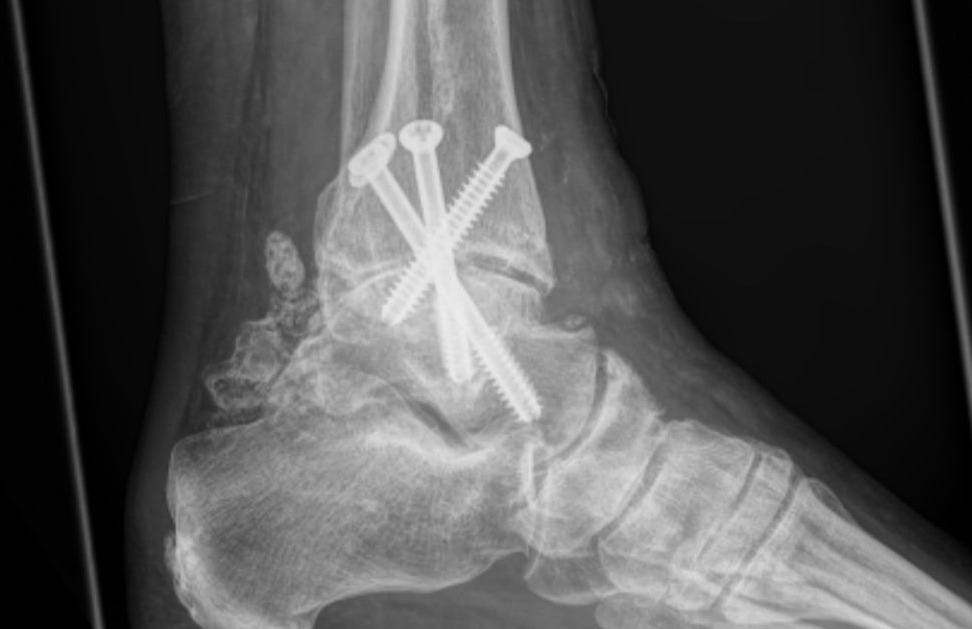
And when I say until my body gave out, I literally mean until my body gave out because one morning I woke with my left foot turned 90 degrees to the left. And yeah, I got the thing fixed, but at what cost?
Now, of course, I’m not doing factory line work, despite the outcry for more manufacturing positions in the U.S. Seems like I’m not the only one sprinting away from that type of labor, because there are currently 500,000 unfilled available positions.
But I’m still working multiple positions: real estate, DoorDasher1, online adjunct, this newsletter, my novels that someday might make a buck or two, and getting ready to launch some self-hosted training courses. Website design, coaching, and what else? How many jobs even is that total? 6? 7? 10?
I don’t so much feel like I’ve played a good game of slots as much as I feel like a pinball.
Scanlon’s own experience seems to echo this multi-ball extravaganza. She writes, “I had a 4.0 GPA, was valedictorian with three majors, worked three jobs for most of my time at university, sold cars, ran D1 Track and Field for a year…”
She’s specifically talking about the job application process—that despite her hustle, she still had to apply to 150 positions before someone took a chance on her, but now that dynamic of 100s of applications, she claims, has turned into 1000s of applications.
So yeah—getting accepted into that one job does feel a lot like winning the jackpot on a slot machine, but once you have that position, it all of a sudden doesn’t feel so much like winning a paycheck (and health insurance if you win really really big bar none) as it feels like pinball.
Especially when you hit multi-ball—adjunct offer, commission check, tip streak.
I keep seeing this ad on TikTok where a retired gentleman is grateful for his DoorDash gig so he can purchase his wife the occasional bouquet. I wish I could find the ad so I could share it here. The ad comes off heartwarming. As in—awww, the man is working his tired bones to make his wife happy with a gift, how sweet.
But something about that ad also feels to me incredibly tragic. Like, why should anyone have to work two or three hours putting wear and tear not only on their already worn-out bodies but also on their vehicles so they can afford a few damn flowers.
Sometimes, sure, you hit multi-ball—adjunct offer, commission check, DoorDash tip streak—and it feels like you are leveling up. But all that does is accelerate the game. More lights, more noise, more flipper action.
I know people who work three jobs to keep the lights on. I’ve been one of them. Still am. College was supposed to be insurance, not liability. Now we’re scraping by while being told the American Dream just needs a little bit more hustle and a better resume format.
 Tiktok failed to load.
Enable 3rd party cookies or use another browser
Scanlon writes, “Everything feels like it is being optimized for someone else’s profit rather than expanded for everyone’s benefit.”
Eventually, all the balls fall through, and that dead silence after multi-ball, that’s burnout. Perhaps economic collapse at a national level?
At least with an actual pinball machine, someone still occasionally gets away with tilting the table. And look. I’m not saying all hustle is bad.
But this is not just simple economic precarity—living paycheck to paycheck, not knowing if you’ll have work next week, or juggling gigs without benefits, safety nets, or long-term security.
But your hustle should lead to something other than basic survival.
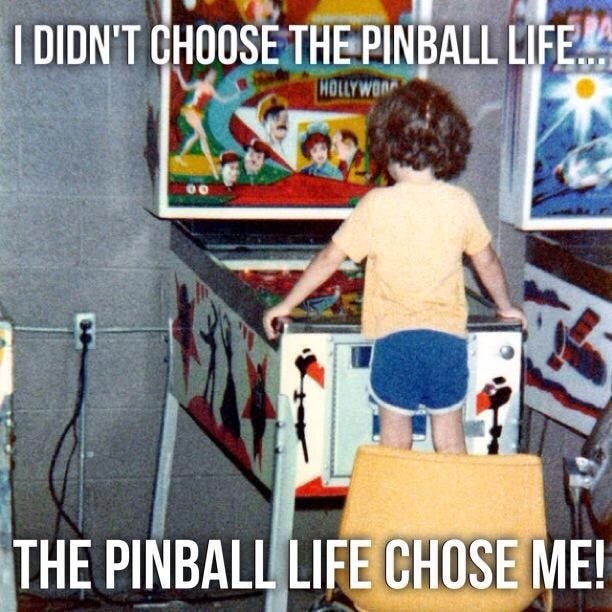
I remember when pinball was fun. Seven or eight years old, standing on an old wooden stool to reach the flipper buttons. We were raised to believe systems worked. That if you worked hard, you’d be rewarded appropriately2.
But now it’s all about the cheat: sure, systems still function on the surface, but real power lies in automation3, where oversight is absent and accountability has disappeared with eerie, dangerous silence.
See my piece on Doordash here:
Even more interesting, I suppose, is how I’m stacking jobs on top of jobs, or maybe intertwining is a better word? It’d be interesting to get a few people to agree to go DoorDashing with me, and then to record that subsequent car conversation. Any takers on that?
See my piece on Hoge Lumber Company:
The essay recalls my stint at Hoge Lumber in tiny New Knoxville, Ohio, where I discovered that a single computerized saw could out‑produce thirty manual ones—an awakening to how automation upends the “sweat equals worth” work ethic.
Is it weird I keep referencing my own work: